
4-H Youth Development
Positive Youth Development prepares the youth of today to become the effective, empathetic adults of tomorrow. Our research-based youth enrichment programs. 4-H clubs, camp and after-school programs give young people the hands-on experience they need to develop an understanding of themselves and the world.
Abi Quinlan, 4-H Program Educator
Through a new partnership with the Cedarburg School District, the 4-H Educator is delivering and will continue to deliver a series of school-day and out-of-school learning experiences that engage both 4-H members and non-members across grade levels. Efforts include a high school book read currently underway until the end of February, with upcoming career and interview readiness workshops occurring in February and a literacy-based STEAM program for 4th and 5th graders scheduled for March, expanding access to 4-H. Together, these programs build critical thinking, career readiness, and curiosity for learning while strengthening connections between 4-H, schools, and families.
The Cedarburg School District identified a need for accessible, school-connected youth development opportunities that support literacy, career readiness, and hands-on learning for students who may not otherwise participate in out-of-school programs. In response, the 4-H Educator engaged in this partnership to intentionally reach both 4-H members and non-members during the school day and before and after school, meeting youth where they already are. This effort was developed to expand equitable access to 4-H, strengthen connections between schools and 4-H, and support students’ academic, social, and future-readiness skills in alignment with identified school and community priorities. In response to the diverse and evolving needs identified by the Cedarburg School District, the 4-H Educator partnered with school staff to design a range of developmentally appropriate learning experiences across grade levels and settings. This partnership resulted in a high school book read that supports reflection and discussion during the school day, the development of career and interview readiness workshops offered before and after school, and a literacy-based STEAM program embedded into 4th and 5th grade classrooms. By responding with multiple delivery methods and focus areas, this effort meets academic, social, and career-readiness needs while intentionally engaging both 4-H members and non-members through flexible, school-connected programming. Since this effort is still underway, outcome data is not yet available. This partnership is intended to increase access to 4-H Positive Youth Development by reaching both 4-H members and non-members within the school day, reducing barriers to participation. Anticipated outcomes include stronger youth engagement, improved literacy, critical thinking, and career readiness skills, and the development of a replicable school partnership model that can be shared with other districts to expand access to 4-H across the county.
Community Development

Community Development provides educational programming to assist leaders, communities, and organizations realize their fullest potential. We work with communication to build the vitality that enhances their quality of life and enriches the lives of their residents. In short, the Community Development Institute plants and cultivates the seeds for thriving communities and organizations.
Paul Roback, Community Development Educator
A nonprofit collaboration workshop where representatives from two area nonprofits developed a framework to collaborate to strengthen their responses to growing health and human service needs in Ozaukee County. The process is intended to create efficiencies, grow revenue, and improve service delivery.
Paul was approached to facilitate a meeting where representatives from two local nonprofits wanted to discuss the ability to formally collaborate to strengthen their collective responses to growing health and human service needs in Ozaukee County. The intent of a formal collaborative agreement is to help ensure mission independence while creating efficiencies, growing revenue, and improving service delivery. Paul facilitated a work group meeting of nine participants representing both nonprofit organizations. Participants clarified goals and objectives, reviewed their current situation and a shared vision, discussed an interagency agreement, and identified next steps to move forward with. Representatives agreed to present and discuss the results of this meeting with each organization’s respective board members. This work group will meet again in February. Through evaluation (n=8), 88% of participants agreed that discussing the overview and timeline for the workgroup helped clarify the current situation and a vision for the future. The same number of participants (88%) agreed that discussing the Memorandum of Understanding provided an initial framework for an interagency agreement. All participants agreed that the session allowed them the opportunity to share their ideas while also allowing others to share their thoughts. Overall, participants evaluated Paul’s facilitation of the session a 4.5 on a 5-point Likert Scale (1=poor and 5=excellent).
Agriculture
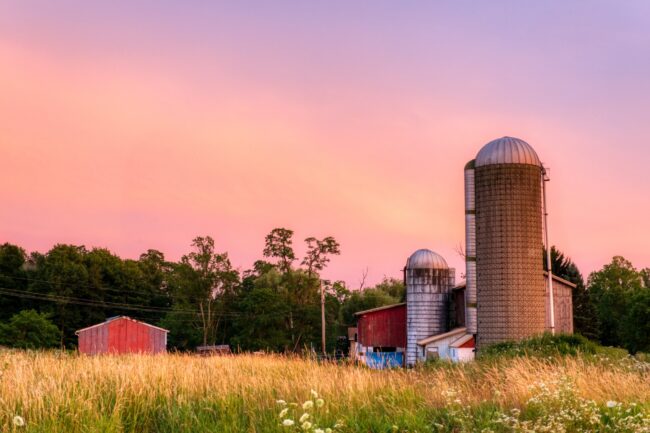
If it happens on a farm or in a field, the Extension Institute of Agriculture works with you to achieve better results. Our innovative dairy management programs range from genetics to farm and business management. Extension researchers work hand-in-hand with row crop, forage, and fresh produce growers to provide best practices for every aspect of the growing phase. We also advise communities on using sustainable practices to create inviting spaces free from invasive species.
Crops I Liz Gartman, Regional Crops Educator
An educational program for dairy producers, crop consultants and livestock nutritionists where attendees learned about strategies for improving corn silage digestibility, opportunities for using short corn in crop rotations and risk management for corn and soybeans to provide quality forage to support milk production and total farm profitability.
- The Fond du Lac Forage council reached out to the regional crop and dairy educators to provide a forage focused program for their members. The council provided timely topic ideas to the educators to consider when determining the program.
- The educators reached out to several speakers to highlight the topics provided by the forage council. Dr. Luiz Ferraretto was willing to discuss his work with corn silage digestibility, Liz Gartman shared an update on the use of Short Corn in dairy crop rotations, John Heinberg from Total Farm Marketing provided a grain market and risk management update, and Manuel Pena discussed Highly Pathogenic Avian Influenza as well as providing an update on dairy programming available to producers.
- 20 individuals representing a number of dairy farms, feed companies and agronomy consulting companies attended the meeting. Attendees commented that they would be interested in implementing different chopping heights when harvesting corn silage, improving NDF digestibility, and implementing grain marketing strategies to manage risk.
Crops I Manuel Pena, Regional Dairy Educator
A webinar for dairy farmers and ag professionals that focused at an in-depth look at high-oleic soybeans and their role in both crop production and dairy nutrition. The purpose of this webinar was to provide participants with unbiased, evidence-based research about high oleic soybeans.
High oleic soybeans are a new variety to crop producers. However, there are differences in growing, performance, and management of these beans. There are also differences in how we feed these beans based on their fatty acid profile. To address this gap, a webinar was organized for dairy farmers and ag professionals to talk about the difference in growing and feeding the beans. A webinar brought in both Conley, Goldsmith, and Lippert as speakers to address the agronomics of growing and feeding of high oleic soybeans.