
4-H Youth Development
Positive Youth Development prepares the youth of today to become the effective, empathetic adults of tomorrow. Our research-based youth enrichment programs. 4-H clubs, camp and after-school programs give young people the hands-on experience they need to develop an understanding of themselves and the world.
Abi Quinlan, 4-H Program Educator
Planning for a virtual youth officer training series for 4-H club officers, informed by Youth Council input. The goal is to increase access to leadership development through live sessions, recorded content, and virtual office hours, so that more youth can confidently serve in leadership roles without added travel burden.
Youth officers consistently express interest in strengthening their leadership skills, yet participation in in-person officer training has been limited by transportation barriers, competing schedules, and geographic distance across the county. Youth Council members identified accessibility as a primary concern, noting that travel time and family commitments often prevent officers from attending traditional training. In response, there was a clear need to redesign the delivery model to better align with youth availability and ensure equitable access to leadership development opportunities. The 4-H Educator, Abi Quinlan, initiated the development of a virtual youth officer training series to provide flexible, accessible learning opportunities. This model includes live interactive sessions focused on officer roles, meeting facilitation, communication skills, and teamwork; recorded modules for youth unable to attend in real time; and scheduled virtual office hours for follow-up questions and individualized support. Content is being intentionally designed to be engaging, youth-centered, and aligned with leadership development best practices. Youth Council members contributed input on format, timing, and topic priorities to ensure the training structure reflects youth voice and real-world needs. Through this resigned model, the anticipated outcome is increased participation in officer training and greater confidence among youth serving in leadership roles. By removing transportation barriers and offering virtual options, more young people will have access to foundational leadership skill-building. Strengthened officer capacity is expected to improve the quality of club meetings, promote positive youth-adult partnerships, and enhance overall club sustainability. In the broader community, equipping youth with practical leadership, communication, and organizational skills contributes to workforce readiness and civic engagement, supporting the development of capable, community-minded young leaders.
Community Development

Community Development provides educational programming to assist leaders, communities, and organizations realize their fullest potential. We work with communication to build the vitality that enhances their quality of life and enriches the lives of their residents. In short, the Community Development Institute plants and cultivates the seeds for thriving communities and organizations.
Paul Roback, Community Development Educator
A 3-hour staff development workshop (Real Colors) where the staff at the Mequon Nature Preserve increased their ability to recognize their strengths and the strengths of others, build rapport quickly with others, understand how others process information, and modify their communication to connect with others. The workshop is intended to help workplace teams work together more effectively.
Since 2014, Community Development Educator Paul Roback has facilitated Real Colors workshops in response to organizations and local governments expressing a need for staff development in effective communication and team building. These goals align with the outcomes for Real Colors, which is an interactive three-hour workshop that teaches skills to understand human behavior and improve communication with others.
The Executive Director of the Mequon Nature Preserve contacted Paul to provide a Real Colors workshop for their staff. This is a follow-up to the strategic planning process that Paul facilitated in 2025.
In response, Paul taught a three-hour Real Colors workshop for nine participants. All participants (n=9) completed end of session evaluations. From attending the workshop, 100% increased their ability to recognize their strengths and increased their ability to recognize the strengths of others. Additionally, 100% increased their ability to build rapport quickly with others, increased their ability to understand how others process information, and increased their ability to modify their communication to connect with others. Overall, participants evaluated Paul’s facilitation of the workshop as a 5.0 on a 5-point Likert Scale (1=poor and 5=excellent). One participant commented that they “will use what I know about the personality of my coworkers for more effective communication.” Another commented that “The instructor did well at keeping everyone on task and was also energetic and passionate about the activity.”
Agriculture
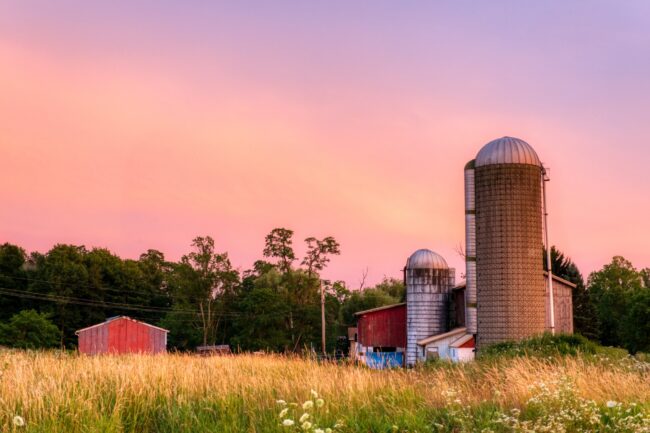
If it happens on a farm or in a field, the Extension Institute of Agriculture works with you to achieve better results. Our innovative dairy management programs range from genetics to farm and business management. Extension researchers work hand-in-hand with row crop, forage, and fresh produce growers to provide best practices for every aspect of the growing phase. We also advise communities on using sustainable practices to create inviting spaces free from invasive species.
Crops I Liz Gartman, Regional Crops Educator
Planning and preparing for a presentation for the Midwest Forage Association Symposium. The goal is to provide research based guidelines on fertility applications for forage production to limit fertilizer input costs and nutrient loss from runoff while still optimizing forage yield and quality.
- The Midwest Forage Association staff reached out and asked for a presentation on fertility in forage systems for their annual Symposium in the Wisconsin Dells. This has been a gap in the Symposium lineup and is an important topic due to lower hay prices and increasing input costs.
- I created a presentation that focused on best practices for determining existing soil fertility and selecting fertilizer application rates that meet crop needs but are not lost to runoff.
Crops I Manuel Pena, Regional Dairy Educator
A weekly Thursday dairy radio segment for dairy producers, consultants, agency staff, and other industry professionals to share updates about state and local Extension resources, information, and events relevant to dairy operations. The goal of this effort is to maintain a regular connection between the dairy community and Extension resources, providing tools and timely insights to support informed decision-making related to herd management, nutrition, reproduction, farm profitability, among others.
As another Agriculture Educator in my area has already built a strong connection with farmers through regular radio updates, I have been invited to contribute a dairy-focused segment as part of the daily Farm Report. This provides a valuable opportunity to engage an established agricultural audience and expand Extension’s outreach within the dairy community. Through this segment, it is possible to share research-based, science information relevant to dairy producers, along with timely updates on educational events, resources, and tools that can support informed decision-making and strengthen farm viability. Agricultural producers use a variety of sources to obtain information, including radio. Each Thursday morning, I provide a UW–Extension dairy segment as part of the daily Farm Report. This segment focuses specifi cally on timely dairy production topics, herd management strategies, seasonal nutrition and health considerations, and updates on upcoming events, webinars, and educational opportunities relevant to dairy operations. Delivering this information through public media allows us to reach producers who may be underserved, unable to attend in-person programs, or unaware of Extension’s agricultural resources. This expanded outreach strengthens our connection with the dairy community and helps ensure that research-based information is accessible, practical, and timely. Additionally, the segment provides dairy producers with greater insight into the work being done through Extension and creates consistent opportunities for them to engage in programs that support informed decision-making, farm profi tability, environmental stewardship, and long-term business sustainability.